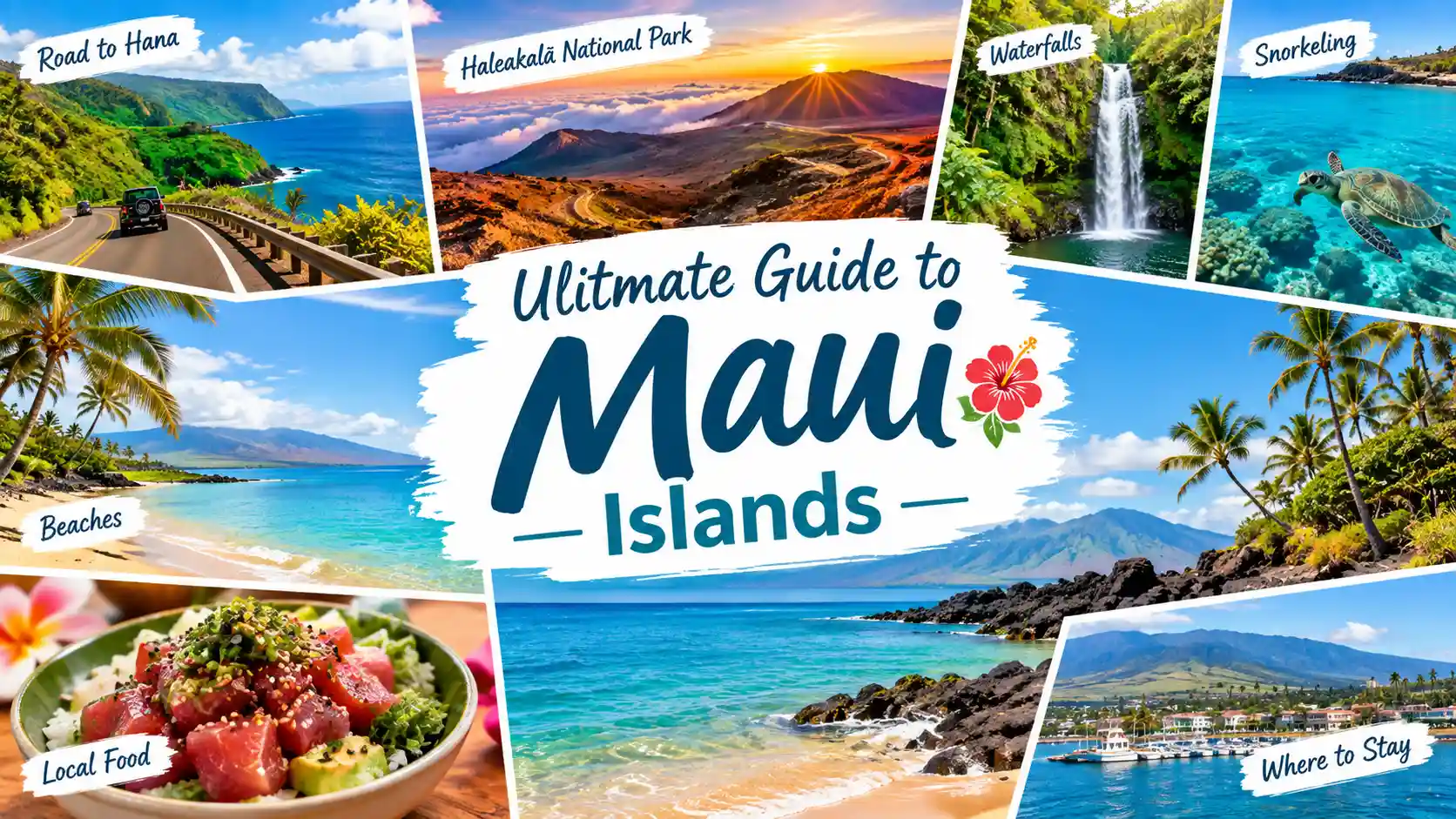
Maui is one of the Hawaii’s best islands for beaches, scenic drives, hiking, snorkeling, whale watching and resort vacations. This guide covers where to stay, the best things to do, the Road to Hana, Haleakalā, beaches, food, transportation, weather, and how to build a Maui itinerary.
As a travel writer who has spent years chasing the perfect sunset and the ultimate beachside cocktail, I can confidently tell you that planning a trip to Hawaii can feel overwhelming. There is so much to see, lot of things to do, and to eat! You want to make sure you get it right.
In this article, I am going to break down absolutely everything you need to know about visiting the Valley Isle. We’ll cover where to stay, how to get here, what to eat, what to pack, and the best activities that you can do and enjoy to fill your itinerary. Grab a pen and paper, take some notes, and let’s dive into making your Maui vacation unforgettable.
Maui’s Map & Geography
First, understand Maui’s Location. So that you can make a good plan for this geography. The secret behind the great tour depends on Maui’s Geography. Maui covers 735 square miles, making it the second-largest island in the Hawaiian archipelago.
Millions of years ago, the island was formed by two massive shield volcanoes: Haleakalā to the east and the West Maui Mountains to the west. Over time, erosion created a beautiful, fertile valley connecting these two volcanic peaks. That is exactly why Maui earned its famous nickname, “The Valley Isle.”
The Windward vs. The Leeward Side
Like all the Hawaiian Islands, Maui is split into two distinct climate zones: the windward side and the leeward side. Understanding this is crucial for booking your hotel and planning your beach days.
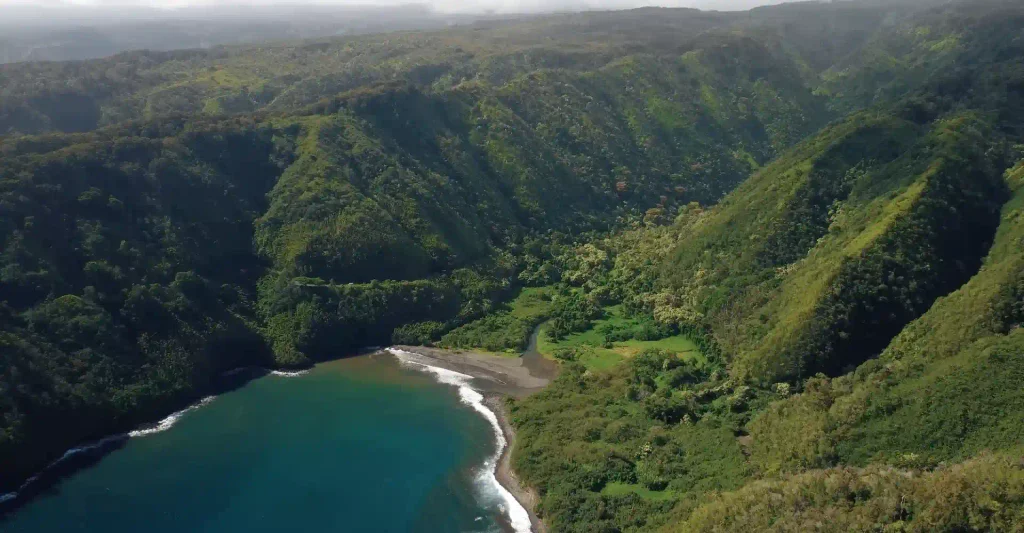
- The Windward Side: This is the eastern and northern-facing side of Maui Island. This region gets significantly more rain and wind. Because of this, the ocean currents here are stronger, and the water conditions can be much choppier. However, all that rain comes with a massive payoff: lush, verdant landscapes. If you are looking for those towering waterfalls and dense tropical rainforests, this is where you will find them (hello, Road to Hana!).
- The Leeward Side: Facing south and west, the leeward side is protected by the mountains. This is the dry, sunny, and calm side of the Maui island. It gets significantly less rain, making it the perfect environment for lounging by the pool. Because the ocean is generally calmer and the skies are reliably blue, the vast majority of Maui’s resorts are located on the leeward side. When you picture a classic Hawaiian beach vacation, you are picturing the leeward coast.
When is the Best Time to Visit Maui? And Maui Weather
Let me be entirely honest with you: there is absolutely no wrong time to visit Maui. Because the island is situated in the tropics, it boasts a beautiful, temperate climate year-round. However, there are some seasonal shifts and crowd levels you should consider before booking your flights.
Did you know there are only two real seasons in Hawaii?
- Summer: Runs from May through October.
- Winter: Runs from November through April.
The Sweet Spot: Shoulder Season
If you want the ultimate balance of great weather, manageable crowds, and slightly better pricing, consider the months September, October, and May. The island feels a little quieter, accommodation rates drop slightly, and it is much easier to book highly sought-after dinner reservations and boat tours without fighting among the masses.
The High Season
The most crowded and expensive times to visit Maui are during the winter holidays (Christmas and New Year’s) and the peak summer months when kids are out of school. Spring break is a close runner-up and can get incredibly pricey. If these are the only times your schedule allows, don’t stress; just be prepared to book your flights, hotels, and rental cars well in advance.
Wildlife and Weather Considerations
- Whale Watching: If seeing majestic humpback whales is on your bucket list, you need to visit Maui between December and April. The absolute peak time to see the highest concentration of whales breaching off the coast is typically January and February.
- Hurricane Season: This runs from June through the end of November, with the highest concentration of storms historically occurring in August. While it is incredibly rare for a hurricane to make a direct landfall in Hawaii, passing storms can bring a few days of intense wind and rain. May be should avoid this season.
- Ocean Temperatures: Leave the wetsuit at home! The surface water temperature generally hovers between 73 and 80 degrees Fahrenheit. It peaks around September and hits its coldest point in February and March. Even at its coldest, the water is wonderfully refreshing.
How to Get Maui: Flights and Airports
Before entering here. You need to know the transportation here.
Kahului Airport is the major Airport in Maui. Most of the travellers and tourists choose this. Because it is in the midst part of Maui Island. When you fly to Maui, you will almost certainly choose and land at Kahului Airport (OGG). You can consider other airports also like Kapalua and Hana, airports as per your choice and availability. From Kahului Airport (OGG), you are looking at about a 45-minute drive to the resorts in West Maui and a quick 30-minute drive to the sunny shores of South Maui.
There is a secondary airport, Kapalua Airport (JHM), located in West Maui. However, it is tiny, infrequently used, and strictly for inter-island hopper flights. Stick to OGG for your main travel plans.
Getting Around: Do You Need a Rental Car?
Yes. If you want to leave your resort and actually experience the beauty of the island, you absolutely need a rental car. Even though you have Public Transport in the maui island but, you won’t enjoy it!
Public transportation on Maui is not great, literally. You can use taxis and rideshares like Uber or Lyft. But relying on them for your entire trip will quickly become frustrating and shockingly expensive. If you are dead-set against driving, your best bet is to rely on guided tours that offer resort pick-up (like taking a guided van tour up Haleakalā or the Road to Hana) and stay close to your hotel. But for true freedom and liberty, get some wheels dear!
When it comes to car booking in Maui, you have a few excellent options:
- National Carriers: The big names (Enterprise, Hertz, Thrifty, and Dollar) all operate out of Kahului. You take a quick, two-minute tram ride straight from the baggage claim to the consolidated rental car facility.
- Local Companies: I highly recommend supporting local businesses! Companies like Kihei Rental Car are fantastic. They are family-owned, provide great service, and will actually send a shuttle to pick you up at the airport and take you to their lot.
Do you need to rent a Jeep? No, you don’t need one. The major roads on Maui are paved and easy to navigate in a standard sedan. However, having the top down and feeling the trade winds in your hair as you cruise the coastline is a whole lot of fun.
The State of Lahaina in Maui
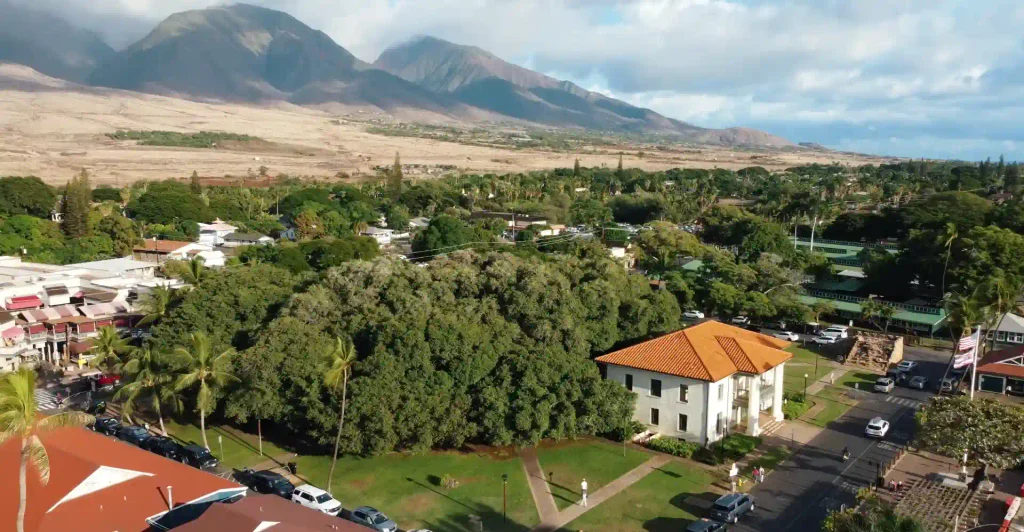
There is no way to talk about visiting Maui without mentioning the historic town of Lahaina. As you likely know, devastating wildfires swept through the area. Lahaina is still in the long process of restoration and rebuilding.
Because of this, the vast majority of Lahaina town remains closed off to visitors. However, there are a few specific restaurants that have reopened on the outskirts, and the legendary Old Lahaina Luau is back open and welcoming guests. The rest of West Maui, including Kaanapali, Napili, and Kapalua, is entirely open and safe and eagerly welcoming visitors. Please be respectful of the restricted areas, but do not let it deter you from visiting the west side of the island. They rely heavily on your tourism!
Road to Hana: This made your trip perfect
What Is the Road to Hana?
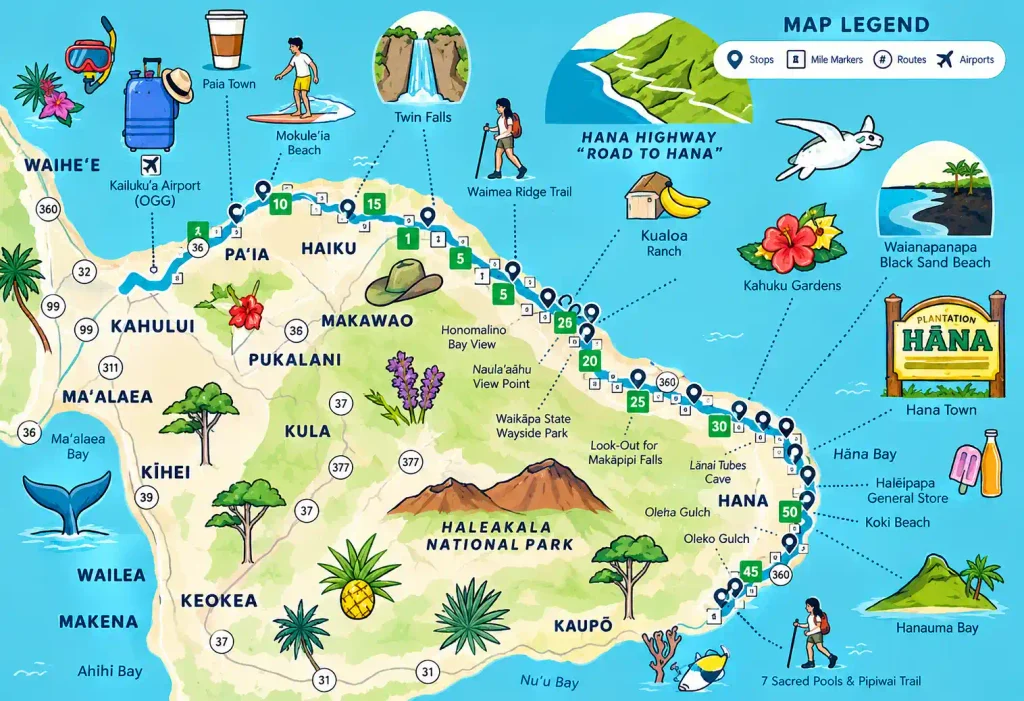
The Road to Hana is also called the Hana Highway, connects Kahului with the small town of Hana on Maui’s east coast. The route is known for its winding roads, numerous bridges, tropical scenery, waterfalls, and roadside stops. Most of the travellers do not leave Maui without making this road trip.
How Long Does the Road to Hana Take?
Driving directly to Hana can take several hours, but most visitors spend much longer because of the stops. If you want to explore properly, plan for a full day rather than treating it as a quick drive.
Best Road to Hana Stops
Popular stops include Twin Falls, Garden of Eden Arboretum, Keʻanae Peninsula, Waiʻānapanapa State Park, and the areas around Hana. You do not need to stop everywhere. Pick a few places that match your interests and allow enough time to enjoy them.
Should You Drive the Road to Hana Yourself?
Yes, driving yourself gives you more freedom to choose your stops and pace. However, the road has many curves, narrow sections, and one-lane bridges, so confident driving and patience are important. Guided tours are another option if you would rather leave the driving to someone else.
Road to Hana Reservations You Need
Some popular attractions along the route require reservations or advance planning, particularly Waiʻānapanapa State Park. Check the current requirements before your trip because reservation rules can change.
What to Pack for the Road to Hana
Bring water, snacks, comfortable walking shoes, swimwear, sunscreen, insect repellent, a light rain jacket, and a small towel. Download maps before leaving because mobile service can be unreliable in some areas.
Should You Stay Overnight in Hana?
Staying overnight can be worthwhile if you want a slower experience. It allows you to explore beyond the busiest daytime hours instead of trying to fit the entire route into one long day.
Road to Hana Driving Tips
Start early, avoid rushing, and pull over only in safe and designated areas. Be courteous to local residents, follow posted signs, and never block traffic while stopping for photographs. Allow more time than you think you will need.
Where to Stay on Maui: Finding Your Perfect Paradise
Alright, let’s talk about lodging. Brace yourself, because Hawaii is generally expensive, and Maui absolutely takes the cake.
There are a variety of Hotels and Resorts in Maui. The budget for your stay is based on the type of stay you want to live and the place where you live. I will list some famous hotels and resorts. Kindly check below
Also, remember to plan for extra fees. Many hotels have high overnight parking and daily “resort fees.” These can add $100 or more to your nightly bill. The good news? Some hotels use these fees to offer fun activities. Check your hotel’s schedule—you might find free ukulele lessons, lei making, hula dancing, or even canoe rides included. Take advantage of these to get your money’s worth!
Almost all visitors choose to stay on the sunny, dry leeward side. Here is how it breaks down:
West Maui
If you want to stay in West Maui, it offers a fantastic blend of gorgeous beaches, shopping, and diverse accommodations.
- Kaanapali: Developed in the 1970s, this is the bustling heart of West Maui tourism. It features a long, stunning beach and massive four-star resorts (think the Westin, Sheraton, and Hyatt). It is lively, crowded, and incredibly fun. Black Rock, located at the north end of the beach, offers some of the best easily accessible snorkeling on the island. For a great semi-value option, check out the Outrigger Kaanapali Beach Hotel.
- Napili: Just north of Kaanapali, the vibe shifts dramatically. Napili features a gorgeous, protected bay and smaller, more vintage-feeling resorts. It is incredibly laid-back and usually comes with a slightly more forgiving price tag.
- Kapalua: Keep heading north and you reach the pinnacle of luxury. Kapalua boasts my absolute favorite beach on the island. It is stunning, pristine, and very upscale. This is where you will find ultra-luxury properties like the Ritz-Carlton and the Montage.
Some Hotels and Resorts in West Maui:
- Westin Maui Resort & Spa, Ka’anapali
- Hyatt Vacation Club at Ka’anapali Beach (Here you can see Penguins also!)
- Aston Maui Kaanapali Villas (Cheaper)
South Maui
South Maui is famous for its expansive lava fields, guaranteed sunshine, and long strings of golden sand beaches.
- Wailea: Welcome to five-star paradise. Wailea is home to the most expensive and luxurious resorts on the island, including the Grand Wailea, the Four Seasons, the Fairmont Kea Lani, and the Andaz. The manicured oceanfront path connecting these properties is breathtaking. There are also high-end vacation rental condos scattered throughout the area.
- Kihei: Located just north of Wailea, Kihei is the ultimate spot for budget-conscious travelers. It is highly walkable, has a fun surf-town vibe, and features miles of great beaches. Instead of massive mega-resorts, Kihei is dominated by smaller boutique hotels and large vacation rental complexes. It is a fantastic place to base yourself.
Some Hotels and Resorts in South Maui:
- Wailea Beach Villas
- Grand Wailea, A Waldorf Astoria Resort (Much Expensive)
- Maui Coast Hote (Cheap)
Stuff to Do on Maui
You could easily spend two weeks doing nothing but rotating between your pool chair and the ocean, but Maui has an incredible roster of activities. It is honestly hard to narrow down the list, but here are the absolute must-dos.
1. Visit Haleakalā National Park
Haleakalā, Maui’s massive dormant volcano, dominates the island’s landscape. Heading up to the 10,000-foot summit is a rite of passage.
- Sunrise: Watching the sun peek over the crater through a sea of clouds is arguably the most famous activity on Maui. It requires an advance reservation (they sell out fast!) and a very early wake-up call, but it is deeply spiritual and awe-inspiring.
- Sunset: If waking up at 3:00 AM isn’t your idea of a vacation, head up for sunset instead! It is equally stunning, way less crowded, and doesn’t require a reservation.
- Daytime: Even in the middle of the day, Haleakalā is worth exploring. You can hike down into the crater, spot the rare silversword plants, and feel like you are walking on Mars.
2. Maui Road to Hana
Maui is located on the lush windward side of the island, the Road to Hana is less about the destination and entirely about the journey. This winding coastal highway is famous for its 600+ hairpin turns and dozens of one-lane bridges. Along the way, you are treated to dense bamboo forests, roadside fruit stands selling fresh banana bread, towering waterfalls, and spectacular ocean vistas. You can get a bunch of photographs this way. So, don’t miss out!
You can drive it yourself or book a guided van tour locally. So you can look out the window instead of staring at the bumper in front of you and focusing on the road. Don’t forget that if you want to visit Waiʻānapanapa State Park to see the famous black sand beach, you absolutely must secure a reservation in advance! You can check below and on Pinterest.
3. Snorkeling and Getting on the Water for Whale Watching
Maui’s marine life is world-class and awesome, featuring sea turtles (honu), colorful reef fish, and dolphins and moreover Whales. Getting out on a boat gives you a totally different perspective of the island.
- Molokini Crater: This partially submerged volcanic crater sits off the coast of South Maui and boasts water clarity that routinely exceeds 100 feet. Book a sunrise tour with Kai Kanani to beat the crowds, or jump on Redline Rafting for a fast, thrilling ride that also takes you to the rugged “backside” of the crater.
- West Maui Excursions: If you are staying in Kaanapali, operators like Sea Maui launch right off the sand, taking you to pristine snorkel spots along the western coastline.
- Lanai Trips: For a full-day adventure, book a boat that crosses the channel to the neighboring island of Lanai. The reef systems there are relatively untouched, and dolphin sightings are practically guaranteed.
4. Exploring Maui’s Farms
Agritourism is huge on Maui, and the farm tours are surprisingly entertaining and educational for you and your kids especially. Upcountry Maui is dotted with agricultural gems. You can tour O’o Farms and enjoy a farm-to-table gourmet lunch right in the fields. You can visit the Surfing Goat Dairy to play with baby goats and sample award-winning cheeses. Or, visit a macadamia nut farm to finally learn exactly how those delicious, buttery nuts are grown and harvested.
5. Hitting the Trails
If hiking is your main priority, Kauai might be a better fit. However, Maui still offers some excellent trails for those who want to stretch their legs.
- Kapalua Coastal Trail: An easy, flat, and impossibly scenic stroll along the ocean in West Maui. Perfect for a morning coffee walk.
- The King’s Highway: Located south of Wailea, this trail takes you across jagged, historic lava fields. It is flat but extremely hot and completely exposed to the sun—bring plenty of water!
- Pipiwai Trail: Located past Hana on the windward side, this is arguably Maui’s best hike. It takes you through an enchanting bamboo forest and ends at the base of the towering Waimoku Falls.
6. Beach Hopping (With Safety in Mind)
It is impossible to go wrong with Maui’s beaches. In South Maui, Keawakapu, Wailea Beach, Ulua, and Maluaka are all spectacular stretches of sand. Over in West Maui, Kapalua Bay, Napili Bay, and Kahekili (Airport Beach) offer incredible swimming and snorkeling. Yes, you can swim here.
A Quick Public Service Announcement: The Pacific Ocean is fierce, and conditions can change in the blink of an eye. Always check with a lifeguard about current conditions before getting in. Never turn your back on the ocean to take a selfie, always swim with a buddy, and if you are ever in doubt about the water’s safety, just don’t go out.
Where to Eat and What to Eat on Maui:
There is no shortage of incredible food on this island. My philosophy? Make every single meal count!
Fine Dining and Splurges
If you want to experience the most iconic restaurant in all of Hawaii, you have to book a table at Mama’s Fish House on the North Shore. The menu changes daily based on what the local fishermen catch, and the setting is pure vintage Hawaiian romance. It is expensive, obviously, but the food is rich and awesome, the service is impeccable, and surprisingly it is very kid-friendly. Because it is so famous, you need to make your reservations months in advance. Because there will be a huge line awaiting for a table. Do not wait until you land to try and get a table!
Food to eat in Maui
- Food Trucks: The food truck scene on Maui is elite. Whether you are grabbing fish tacos, garlic shrimp, or Thai food, you will be blown away by the quality. Check out spots like the Ulu Cafe down south.
- Poke: You cannot leave Hawaii without eating raw, marinated fish. Head to the South Maui Fish Company food truck for incredibly fresh poke. If you want to eat like a local, just walk into a Foodland grocery store and head to the seafood counter. Yes, it has previously been frozen, but it is cheap, delicious, and an island staple.
- Shave Ice: After a long day in the salt and sun, nothing hits the spot like Hawaiian shave ice. Ululani’s is widely considered the best on the island. The ice is shaved so fine it literally melts on your tongue. Always get it with a scoop of macadamia nut ice cream on the bottom!
What to Pack for Your Maui Vacation
The golden rule of packing for Maui is to keep it simple. Yes, In ordet to enjoy this maui vacation you should pack light. Most travelers can easily get away with a carry-on bag because, let’s be honest, you are going to be in beachwear 95% of the time. by the way, In the next section, i will cover beaches in Maui. Now the items to pack for Maui:
Here are the specific things you actually need to think about:
- Light Layers: If you are visiting in the winter months, the evenings can get a tiny bit breezy. Bring a light sweater. If you are doing the Haleakalā sunrise, it is freezing up there! Temperatures hover between 45 and 50 degrees, and the wind chill can make it feel much colder. Bring pants and a warm jacket.
- A “Nice” Outfit: Bring at least one pretty dress or a crisp Aloha shirt. You will want something fun to wear if you decide to splurge on a luau or a nice dinner out in Wailea.
- Sun-Protective Clothing: Rash guards with UPF protection are a game changer. They save you from having to constantly reapply sunscreen on your back while snorkeling, and they help ensure you don’t spend the rest of your vacation looking like a cooked lobster.
Best Beaches in Maui
Maui has beaches for almost every type of traveler, from calm swimming spots and snorkeling beaches to scenic stretches of sand perfect for watching the sunset.
1. Kāʻanapali Beach
Kāʻanapali Beach is one of Maui’s most popular beaches, with a long stretch of sand and clear water along the West Maui coast. It is especially convenient for visitors staying around the Kāʻanapali resort area.
2. Kapalua Bay
Kapalua Bay is a beautiful crescent-shaped beach surrounded by greenery and rocky headlands. Its sheltered setting can make it a good choice for swimming and snorkeling when conditions are favorable.
3. Napili Bay
Napili Bay has a relaxed atmosphere and a picturesque shoreline. The relatively protected bay is popular with families, swimmers, and visitors looking for a quieter beach experience.
4. Wailea Beach
Wailea Beach sits along Maui’s upscale South Maui coast. The beach offers soft sand, clear water, and beautiful views, making it a popular spot for swimming, relaxing, and watching the sunset.
5. Keawakapu Beach
Keawakapu Beach is a less resort-focused option between Kihei and Wailea. Its wide sandy shoreline makes it a good place to spend a few relaxed hours away from some of Maui’s busier beaches.
6. Maluaka Beach
Maluaka Beach is located in South Maui and is sometimes associated with Turtle Town because of the sea turtles that may be seen in the area. Snorkeling conditions depend on the ocean and weather.
7. Ho’okipa Beach
Ho’okipa Beach on Maui’s North Shore is famous for powerful waves, windsurfing, and watching experienced water-sports athletes. It is more of a sightseeing beach than a typical swimming beach.
8. Black Sand Beach at Waiʻānapanapa
Waiʻānapanapa State Park is home to Maui’s famous black sand beach, formed from volcanic material. The dramatic coastline, sea caves, lava formations, and dark sand make this one of the most distinctive stops along the Road to Hana.
Which Maui Beach Is Best for Swimming?
Swimming is allowed in Maui. If you do not know how to swim but still want to swim, please wear life jackets. For calmer swimming conditions, sheltered beaches such as Kapalua Bay and Napili Bay can be good choices when ocean conditions are favorable. Always check local conditions before entering the water. The good news here is you won’t get big tides and waves at these beaches like others.
Which Maui Beaches Are Best for Snorkeling?
Kapalua Bay, Napili Bay, and Maluaka Beach are popular snorkeling choices. Visibility and marine life vary with weather and ocean conditions, so check conditions before heading into the water. Don’t touch abnormal things under the sea!
Conclusion: Get Ready for the Trip of a Lifetime
It takes effort, a healthy budget, and a spirit of adventure to plan this trip, really. But the moment you step off the plane, smell the plumeria in the air, and feel the warm trade winds, you will realize that every single bit of planning and every dollar you spent for this was worth it. Even you can make a solo trip to Maui.
Whether you spend your days chasing waterfalls on the Road to Hana, snorkeling alongside sea turtles, or just enjoying a plate of fresh poke with your toes in the sand, Maui has a way of capturing your heart and refusing to let go. Follow the tips in this guide, respect the land and the local community down there, and get ready for a spectacular next vacation!