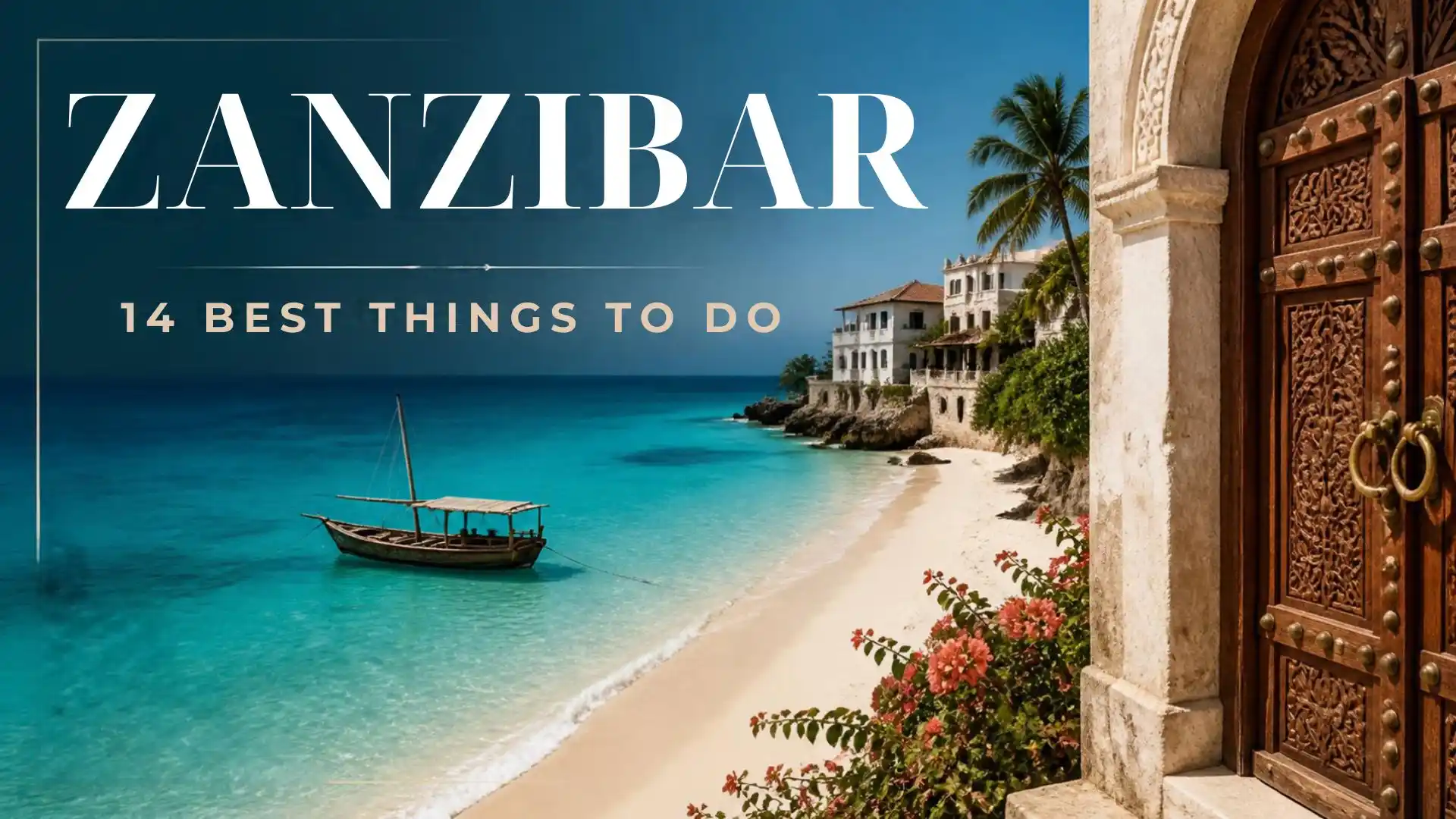
Zanzibar is a dream for everyone. It is a beautiful island with a white sand beach, clear blue water, and history. Here you can explore plenty of attractions and enjoy. It is perfectly positioned on a strategic, tiny archipelago off the coast of East Africa. Over the centuries, mighty empires and seafaring traders arrived on these shores, and each left their indelible mark. For any traveler with a romantic sense of lost-world exploration, Zanzibar is an exotic outpost shrouded in mystery, history, and unparalleled natural beauty.
This Zanzibar travel guide takes you to dive deep into everything you need for the perfect trip. From getting delightfully lost in the coral-stone corridors of Stone Town to savoring octopus skewers at a vibrant night market, and from petting 200-year-old giant tortoises to sipping premium cocktails at world-class beach clubs.
Zazibar’s basic details, like capital, currency, and language
| Country | Tanzania |
| Currency | Tanzanian Shilling (TZS) |
| Destination | Zanzibar (Island) |
| Language | Swahili |
| Capital | Stone Town |
| Famous For | Beaches, Stone Town, Swahili Culture, Seafood & Island Hopping |
| Popular Beaches | Nungwi, Kendwa & Paje |
| Popular Street Food | Zanzibar Pizza |
| Popular Coastal Activities | Swimming, Beach Relaxation & Boat Trips |
Exploring Stone Town: The Historic Heart of Zanzibar
Your journey into Zanzibar should absolutely begin in its historic capital, Stone Town. While it is tempting for many vacationers to skip the city and head straight to the beach, bypassing Stone Town means missing the very soul of the island.
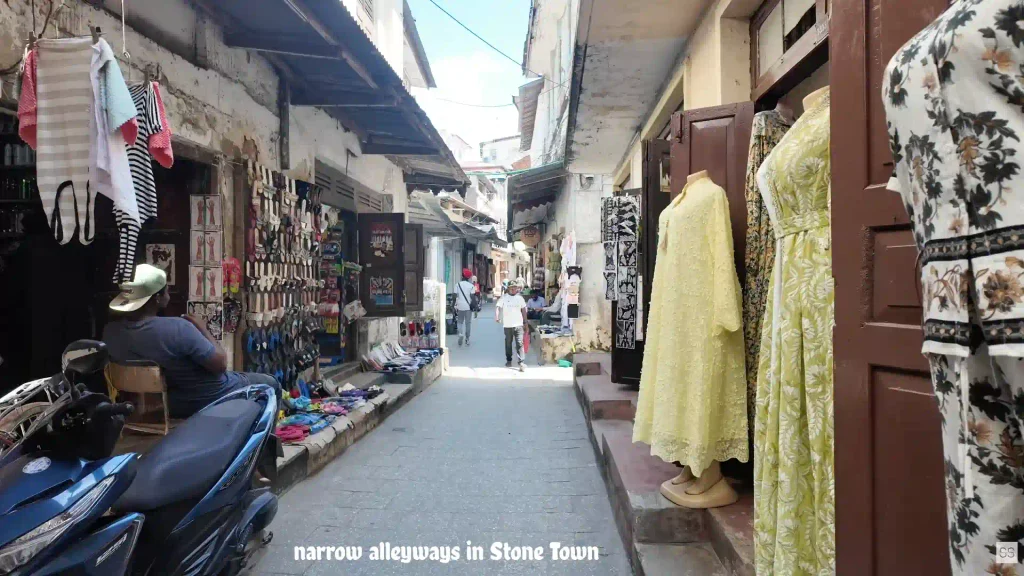
Stone Town is a mesmerizing maze of narrow alleyways and corridors. Because the streets are so tight, cars cannot navigate them. Instead, bicycles, scooters, and pedestrians rule the alleys. This urban design is actually a brilliant defense against the blistering East African sun, as the tall buildings provide near-constant shade as you explore.
The Architecture: Coral Stone and Intricate Doors
The name “Stone Town” derives from the building materials used by early settlers. Most of the historic, white-washed buildings were constructed using coral rock mined directly from the sea. While it gives the town a gorgeous, textured aesthetic, the coral deteriorates rapidly in the humid climate, making conservation a constant, challenging effort.
As you wander the labyrinth, you will immediately notice the magnificent wooden doors. Zanzibar is famous for these intricately carved masterpieces, which historically served as a status symbol to identify the homeowner’s wealth and origins. For instance, doors adorned with heavy, pointy brass spikes are of Indian influence. Originally, these spikes were designed in India to defend homes against charging elephants! Even though there are no elephants in Zanzibar, the aesthetic stuck and became a hallmark of the island’s architecture.
Key Historic Sites to Visit
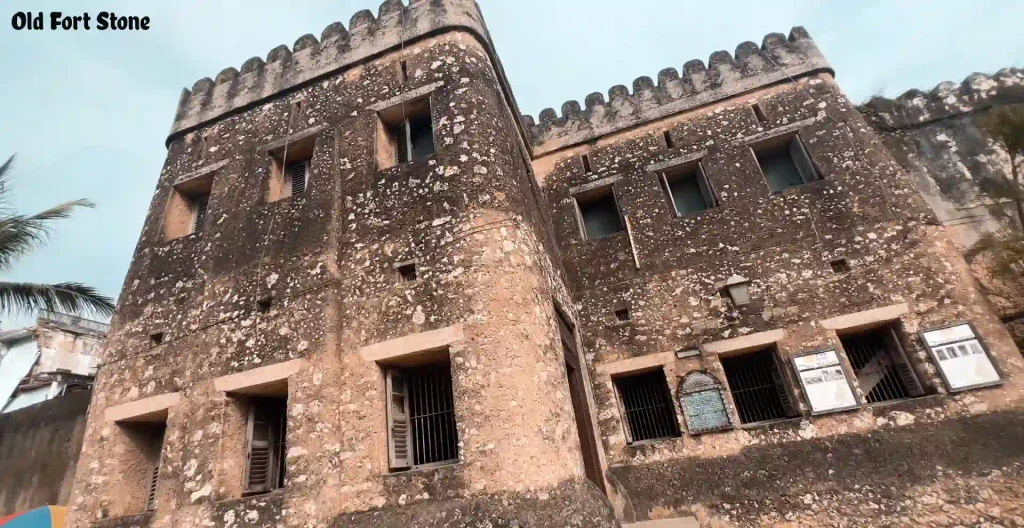
- The Old Fort: Built by the Omanis in the late 1600s after expelling the Portuguese, this massive coral-stone fortification sits right on the waterfront and stands as a testament to the island’s militaristic past.
- Christ Church Cathedral: This stunning 19th-century Anglican church carries incredible historical weight, as it was built directly on top of the old slave market to celebrate the end of slavery. For an entry fee of around 27,000 Tanzanian Shillings, you can explore the church, a comprehensive museum detailing the slave-based economy, and the grim underground chambers where enslaved people were held.
- The Freddie Mercury Museum: Did you know that Freddie Mercury, the legendary frontman of Queen, was born in Stone Town? Born to Indian-Parsi parents, he lived in Zanzibar until he was eight years old, returning as a teenager before his family fled to England during the 1964 revolution.
A Warning on the Heat and Dress Code
It is vital to note that Stone Town can get suffocatingly hot. Air conditioning is a rarity in local shops, restaurants, and lobbies. Walking the pavement is like exploring a pressure cooker, so pacing yourself is key. Additionally, out of respect for the predominantly Muslim local culture, tourists are expected to dress modestly when walking through Stone Town. This means keeping both your shoulders and knees covered. (Save your bikinis and board shorts for the coastal resort towns!)
Where to Stay in Stone Town
If you are traveling on a relatively normal budget, you want to be right in the thick of the historic center while still soaking in that exotic Swahili atmosphere.
- Jafferji House & Spa: This boutique hotel ticks all the aesthetic boxes. Tucked within the pedestrian-only alleys, it boasts a gorgeous rooftop and charming, antique-heavy decor that makes you feel like a 16th-century merchant who just washed ashore. The only downside? No pool.
- Maru Maru Hotel: If you need modern luxury (and a place to combat the suffocating heat), this is your go-to. It features what is widely considered the absolute best rooftop in town, complete with a pool to cool off after a long day of exploring.
- Nyumbani Stone Town: For around $250 a night in high season, you can secure a massive, two-bedroom boutique apartment with a spacious kitchen, reliable air-conditioning, a balcony overlooking historic churches, and beautifully authentic decor.
If you find yourself overheating and need a quick escape, catch a tiny boat transfer 200 meters off the Stone Town coast to the Dreamer’s Island Floating Bar. It is exactly what a doctor would order to fight a heatstroke: a multi-story floating wooden structure of happiness where you can sip ice-cold beverages in a swaying hammock with the ocean breeze in your hair.
Keep reading our other Island destinations too.
Food to eat in Zanzibar: Swahili Feasts and Street Food
Zanzibar’s food scene is an absolute triumph. The centuries of blended cultures have resulted in a flavor profile that takes the best of Indian spices, Arab cooking techniques, and fresh African ingredients.
1. Authentic Local Dining at Lukmaan
For an authentic, sit-down Swahili lunch, head to Lukmaan Restaurant. It is heavily recommended by locals and offers a cafeteria-style visual feast of local delicacies. You can order incredible dishes at shockingly low prices. A hearty portion of pilau or biryani rice costs roughly 5,000 shillings (about $2 USD). Pair it with mildly spiced, coconut-infused lentils, perfectly flaky chapati bread, and rich beef curry. The flavors are savory and comforting—bursting with coconut milk and cardamom rather than overwhelming chili heat.
2. The Forodhani Gardens Night Market
When the sun sets, Stone Town’s Forodhani Park transforms into a bustling, smoke-filled street food mecca. Situated right across from the Old Fort, dozens of vendors set up shop to grill fresh seafood and meats. If you are a fan of street food, this is a paradise where you can feast like royalty for under $30.
- The Zanzibar Pizza: Forget everything you know about Italian pizza. A Zanzibar pizza involves taking a ball of dough, stretching it incredibly thin, and filling it with minced beef or chicken, onions, tomatoes, a heavy squeeze of mayonnaise, a slice of cheese, and a cracked egg. The edges are folded up into a neat little packet and seared on a flat griddle until crispy. Topped with fresh lime and chili, it oddly tastes like a savory, decadent Tex-Mex fusion dish.
- Seafood Skewers: The seafood tier pricing is straightforward. Jumbo prawns with the head on, giant octopus tentacles, and fresh fish are priced higher (around 20,000 to 30,000 shillings). Land meats like lamb, chicken, and guinea fowl are closer to 7,000 to 10,000 shillings. The secret to elevating any skewer is asking the vendor to douse it in Peri-Peri, a gloriously tangy and fiery African chili sauce.
- Fresh Juices: You will be approached constantly by juice vendors. You can try the classic local staple: freshly pressed sugarcane juice mixed with a heavy kick of sharp ginger and lime. However, the true standout is a freshly blended mix of mango, passionfruit, and guava. It is thick, overwhelmingly fresh, and arguably the best tropical juice you will ever taste.
Island Hopping: Giant Tortoises and Sandbars
Just a 20-minute boat ride from Stone Town lies a chain of smaller islands that offer incredible day trips. Local companies like Explore Zanzi offer tailor-made private tours for roughly $250 to $300 a day for a couple, which includes your guide, boat transfers, and a massive seafood lunch.

Prison Island (Changuu Island)
Your first stop should be Changuu Island, commonly known as Prison Island. Historically, local fishermen caught red snapper (Changangu) here. In the 1800s, the Omanis built a complex intended to be a prison for rebellious slaves. However, when the British took over, they repurposed the island as a quarantine station for yellow fever patients. The prison was never actually used to house criminals.
Today, the island’s main draw is its sanctuary for Aldabra Giant Tortoises. Originally gifted by the British governor of the Seychelles a century ago, this colony has thrived. These prehistoric-looking creatures boast thick, dinosaur-like legs and heavily textured skin. They live a life of pure, stress-free relaxation, eating vegetarian diets and moving at a glacial pace. The tortoises have their ages painted on their shells—some are 101, 158, and the oldest on the island is a staggering 201 years old!
Nakupenda Sandbar
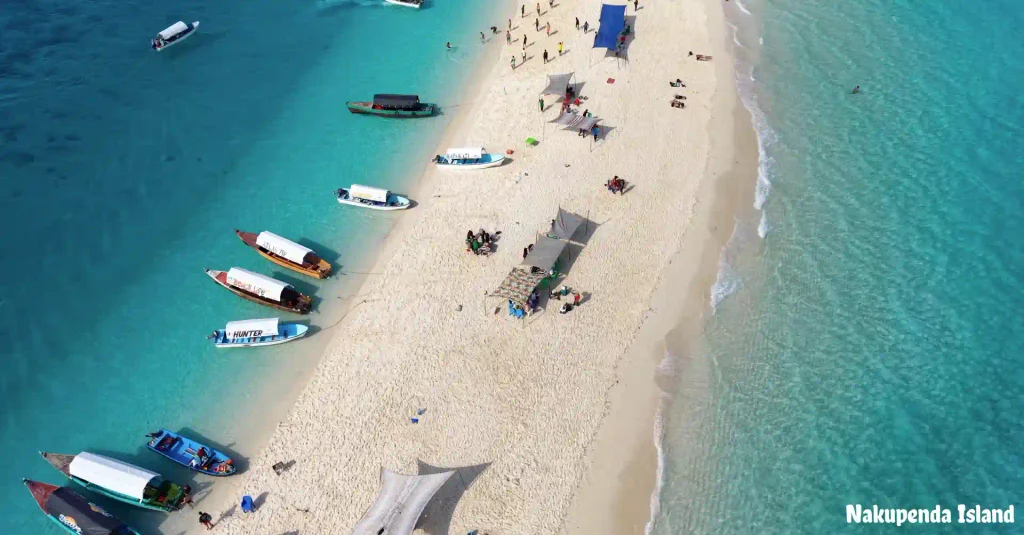
“Nakupenda” translates to “I love you” in Swahili, and you will absolutely fall in love with this spot. At low tide, a massive, brilliant white sandbank emerges from the middle of the ocean, surrounded by water so intensely and vibrantly blue it looks photoshopped.
Tour companies set up temporary canvas tents on the sand. Here, you can relax in the shade while your guides slice up a mountain of fresh tropical fruit—watermelon, mango, and insanely sweet local bananas. Shortly after, they will fire up a grill right on the sandbank and cook up fresh tuna, calamari, and shellfish caught that very morning. Eating fresh seafood on a vanishing island in the middle of the Indian Ocean is a core travel memory you will never forget.
Nungwi Beach for Swimming and Resorts
Once you have had your fill of history and culture in Stone Town, it is time to hit the beaches. Zanzibar’s coastline is distinct, and choosing where to stay depends entirely on your travel vibe.
Paje: The Rustic Backpacker’s Hub
Located on the eastern coast, roughly an hour and a half from Stone Town, Paje is the undisputed hub for backpackers, kite-surfers, and bohemian travelers. The vibe here is unapologetically rustic, unpretentious, and down-to-earth.
The strict dress codes of Stone Town do not apply here; tourists freely roam the dirt roads and sandy paths in shorts and bikinis. The beaches are stunning, though they are heavily affected by extreme tides, meaning the ocean retreats incredibly far out during low tide. If you are looking to meet younger travelers, listen to Bob Marley at beachfront shacks, and enjoy a slow, idyllic pace of life, Paje is the place to be.
Nungwi & Kendwa: The Luxury Tourist Bubbles
At the very northern tip of Zanzibar lie the resort towns of Nungwi and Kendwa. Unlike the east coast, the northern tip is largely unaffected by the extreme tides, meaning you can swim in crystal-clear water all day long.
Nungwi’s long shoreline is reminiscent of the Caribbean—think Negril’s Seven Mile Beach or Punta Cana. It is a lively, polished tourist bubble packed with mid-tier bungalows and high-end resorts. You can book an ocean-view room at the budget-friendly Amaan Beach Bungalows for under $100 a night, or go all out at the luxurious Z Hotel, which boasts a phenomenal rooftop bar and restaurant.
A Word of Warning: The beaches in Nungwi are public, which means they are heavily patrolled by local vendors and young men dressed in traditional Maasai tribal garb. They are there to capitalize on the trickle-down economy of tourism and can be incredibly aggressive and clingy when trying to sell you bracelets, boat tours, or souvenirs. It can become an annoyance, so practice a firm but polite “No, thank you” (or “Hapana asante” in Swahili).
The Ultimate Beach Club Experience: To escape the vendors and find true paradise, head to Nansi Beach Club in Nungwi. This stunning, Balinese-inspired venue features a massive infinity pool overlooking the ocean. For a minimum spend of just $30 per person (which is entirely applied to your food and drink tab), you can lounge on plush daybeds, eat top-tier crispy calamari, and sip premium double-pour cocktails for $13 a pop. Floating in that pool with a drink in hand as the East African sun sets over the ocean is the absolute peak Zanzibar experience.
14 Incredible Things to do in Zanzibar
1. Explore Stone Town
Travelers will love walking through the narrow, shaded corridors of this UNESCO World Heritage site, which was built entirely from local coral stone. The pedestrian-only streets feature historic architecture and famously carved wooden doors, including Indian-style brass-spiked versions originally designed to defend against charging war elephants.
2. Visit the Former Slave Market and Christ Church Cathedral
A visit to this historic complex offers a sobering look into the island’s past, as the church was built directly atop the site of the world’s last open slave market to commemorate its abolition. Guests can explore a detailed museum covering East Africa’s slave trade and carefully walk down into the preserved underground holding chambers where enslaved people were once kept.

3. See the Giant Tortoises on Prison Island
Animal lovers can take a quick 20-minute boat ride from Stone Town to Changuu Island to see these magnificent creatures up close. Although the island was originally planned as a prison for rebellious slaves and later used as a yellow fever quarantine station, it now serves as a peaceful sanctuary for giant tortoises, with some residents reaching over 200 years of age.
4. Visit the Nakupenda Sandbar
A traditional wooden boat ride takes guests out to this vanishing white sandbank that is completely surrounded by vibrant turquoise water. Tour operators set up shaded canvas tents where travelers can swim in the shallows and enjoy a decadent lunch of fresh tropical fruits alongside freshly grilled tuna, calamari, and shellfish.
5. Explore Forodhani Gardens Night Market
Food enthusiasts should head to the waterfront park across from the Old Fort at dusk, which is when dozens of open-air stalls light up their grills. Hungry patrons can try the classic Zanzibar Pizza, sample fresh octopus skewers drenched in spicy peri-peri sauce, and sip on freshly pressed sugarcane or guava-passionfruit juices.
6. Eat Traditional Swahili Food at Lukmaan
Budget-conscious travelers can enjoy cafeteria-style Swahili dishes at this beloved local institution in Stone Town. Diners can sample mildly spiced beef curry, coconut-infused lentils, flaky chapati bread, and generous portions of traditional pilau or biryani rice.

7. Visit the Freddie Mercury Museum
Music fans will enjoy visiting the historic building in Stone Town where Queen’s legendary lead singer, Farrokh Bulsara, was born. He lived in this house until the age of eight before his family moved to India and eventually fled to England during the 1964 revolution.
8. Take a Boat Trip to Dreamer’s Island
Guests looking to escape the midday city heat can take a quick small-boat shuttle to this multi-story floating wooden structure anchored about 200 meters off the coast of Stone Town. The unique bar features comfortable hammocks, cool ocean breezes, and refreshing cold drinks.
9. Explore the Old Fort
History buffs will appreciate touring the oldest building in Stone Town, which was constructed from coral rock by the Omani Arabs in the late 17th century. This massive fortification sits prominently along the waterfront, situated right next to the House of Wonders and the Sultan’s Palace grounds.
10. Visit Stone Town Port
Early risers can visit the working harbor in the morning to see local fishermen arrive in traditional lateen-sailed wooden dhow boats. Bystanders can watch as the hardworking crews unload their vessels and energetically auction off their daily catch at the bustling fish market.
11. Enjoy a Rooftop Drink or Masala Chai
Visitors can easily experience the island’s prominent tea culture, which stems from historic Indian trade routes. Travelers can head up to the rooftop of the Swahili House, the Maru Maru Hotel, or local cafes like Sugar Sukari to enjoy spiced masala chai while taking in sweeping views of the coral-stone rooftops and minarets.
12. Experience Paje
Backpackers and kite surfers flock to this town on the southeast coast because of its rustic, laid-back, and bohemian atmosphere. Tourists can dress casually in their beachwear and explore a beautiful shoreline lined with down-to-earth beach shacks and open-air cafes like Shanga.
13. Relax at Nungwi or Kendwa Beach
Beachgoers who want to swim all day should visit these resort-heavy beaches located at the northernmost tip of the island. These pristine shores feature soft white sand and deep waters that remain largely unaffected by the dramatic, receding low tides that are typical of the eastern coast.
14. Spend an Afternoon at Nansi Beach Club
Sunseekers can enjoy a luxurious afternoon at this Balinese-inspired beachfront venue situated in northern Zanzibar. The exclusive club provides comfortable daybeds, an infinity pool, delicious crispy calamari, and premium cocktail service, all centered around panoramic sunset views over the Indian Ocean.
Know Before You Go: Essential Zanzibar Travel Tips
Before you pack your bags for this Indian Ocean paradise, there are a few logistical hurdles and cultural nuances you must be aware of to ensure a smooth trip.
1. Visas and Immigration
Almost all nationalities require a tourist visa to enter Tanzania/Zanzibar. For most travelers, a single-entry visa costs $50. However, US Citizens are uniquely required to purchase a multiple-entry visa, which costs $100. Pro-Tip: Apply for your e-Visa online well before your trip! While you can get a visa on arrival, the airport lines are notoriously slow and disorganized. Even with an e-Visa, expect to wait up to an hour at immigration. Those filling out paper forms on arrival often wait much longer.
2. Mandatory Travel Insurance
As of late 2024, the Zanzibar government instituted a strict new policy: every foreign visitor must purchase the government’s own inbound travel insurance. This policy costs $44 per person and is entirely mandatory, even if you already hold premium international travel or medical insurance of your own. You must purchase this via their official portal before you arrive to generate a QR code for immigration.
3. Currency and Payments
The local currency is the Tanzanian Shilling (TZS), but US Dollars are widely accepted for tours, hotels, and larger restaurant bills. Bring crisp, newer US bills (post-2013), as older bills or those with small tears are routinely rejected by local banks and vendors. For street food, small markets, and local tips, you will absolutely want a stack of Tanzanian Shillings.
4. Safety and Vibe
Despite being an underdeveloped nation, Zanzibar is incredibly safe for tourists. Violent crime against travelers is exceedingly rare. In Stone Town, you can walk through the maze-like alleys at night feeling completely secure. The local people are warm, hospitable, and quick to greet you with a friendly “Jambo!” (Hello) or “Hakuna Matata” (No worries—yes, it really is a common Swahili phrase, not just a Disney invention!).
Sources Taken: Jumping Places